

The allure of risk-taking
Risk-taking is a fundamental aspect of human behavior, and it plays a significant role in why people are drawn to casinos. Many individuals seek the thrill of uncertainty, which gambling inherently provides. This desire often stems from a psychological need for excitement and adventure. Activities that involve risk can stimulate the brain’s reward pathways, creating feelings of pleasure and satisfaction. In a casino environment, the combination of flashing lights, sounds of spinning wheels, and the allure of potentially life-changing wins heightens this experience, especially when considering various sports betting sites that offer unique opportunities. Each moment spent in such an atmosphere can provoke a sense of anticipation that is hard to resist.
The concept of risk is not just about the chance of losing; it also includes the possibility of a substantial reward. Casinos cleverly exploit this dichotomy to engage players. Cognitive biases such as the illusion of control often lead individuals to believe they can influence their luck, despite the inherent randomness of games. This belief can amplify the addiction to risk, as players become captivated by the idea that they are on the brink of winning big, even when the odds are stacked against them. Such psychological manipulation can keep players entranced, urging them to place just one more bet.
Moreover, the social aspect of casinos enhances the risk-taking experience. Engaging with others at gaming tables or in card rooms can create a communal atmosphere that fosters a shared sense of adventure. The thrill of betting large sums while surrounded by like-minded individuals can intensify emotional responses and make the activity even more exhilarating. This sociability transforms gambling from a solitary endeavor into a collective experience, further reinforcing the desire to take risks. The combination of individual thrill and group energy creates a potent mix that can be addictive.
Emotional highs and lows
The emotional rollercoaster associated with gambling is another powerful reason why people love casinos. The highs of winning are exhilarating and can lead to feelings of euphoria, while losses can induce stress and disappointment. This duality of emotions is captivating, as individuals often chase the initial high of a win, hoping to replicate that moment again and again. Neuroscientific studies show that winning activates the brain’s reward system, releasing dopamine and creating a euphoric state that reinforces the desire to gamble. The sheer intensity of these feelings can keep players coming back for more, seeking that high once again.
Conversely, losses trigger a range of negative emotions that can lead to compulsive behavior. The psychological phenomenon known as loss aversion suggests that the pain of losing is often felt more intensely than the pleasure of winning. This imbalance can create a compelling drive to keep playing in an attempt to recover losses, leading individuals into a cycle of increased gambling. The push and pull of these emotional experiences contribute to the addictive nature of casinos, where every spin, shuffle, and roll generates a new chance for triumph or despair. This cycle can lead to a pattern of behavior that is difficult to break.

Additionally, the environment within casinos is meticulously designed to amplify these emotional responses. The use of bright lights, engaging sounds, and strategically placed amenities all feed into the sensory experience. By creating a stimulating and immersive atmosphere, casinos are able to heighten every emotional peak and valley associated with gambling. This emotional manipulation keeps players engaged longer, as they become entranced by both the potential for reward and the thrill of the game. The sensory overload serves to deepen the emotional investment, making it harder for players to walk away even when they know they should.
The role of social validation
Social influence plays a substantial role in why people are drawn to casinos. The presence of others can significantly impact an individual’s decision to gamble and the extent of their participation. The concept of social validation highlights the human tendency to look to others for cues on behavior, particularly in uncertain situations. In a casino, surrounded by fellow gamblers, individuals may feel compelled to join in the excitement, further fueling their desire to take risks. This dynamic creates an environment where the excitement is contagious, leading to collective behaviors that heighten risk-taking.
Additionally, the competitive nature of many casino games can enhance this social validation. Players often find themselves in direct competition with others, driving them to bet more aggressively in an attempt to outperform their peers. This competition can take many forms, whether it is poker face-offs or high-stakes games of chance. The desire to win not only for oneself but also to gain respect and admiration from others can lead to heightened risk-taking behavior. The stakes become not just financial, but also social, creating a potent motivation to engage in gambling.
Furthermore, the social bonds formed within a casino setting can reinforce habits and encourage repeat visits. Groups of friends or colleagues may frequently visit casinos together, creating a shared ritual that solidifies the social aspect of gambling. This connection can turn gambling into a communal activity, where the thrill of risk is enjoyed collectively. The emotional support and camaraderie can make the experience even more enjoyable, further entrenching individuals in the culture of gambling. This collective experience can lead to a sense of belonging that is difficult to replicate elsewhere.
Neurological factors at play
Understanding the neuroscience behind gambling can shed light on why so many people are drawn to the risk associated with casinos. Research indicates that gambling activates areas of the brain related to reward processing, decision-making, and impulse control. The stimulation of these areas can lead to heightened feelings of excitement and satisfaction, making repetitive gambling behaviors more likely. This neurological response can contribute to why individuals feel compelled to continue playing, even when logic tells them to stop. The brain’s wiring can become conditioned to equate gambling with pleasure, fostering a cycle of behavior that can be hard to escape.
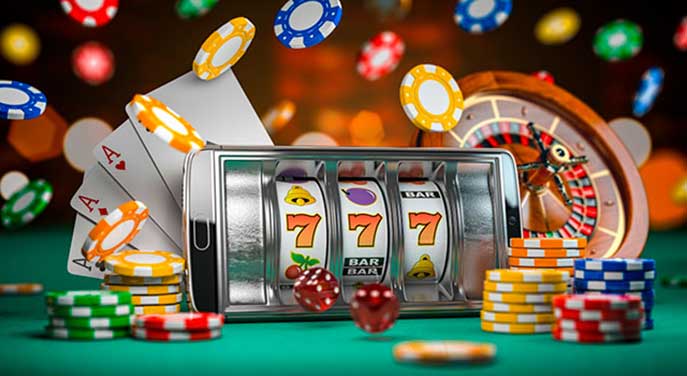
The brain’s response to risk and reward creates a unique feedback loop. When players win, they release neurotransmitters like dopamine, which reinforces the behavior and induces feelings of pleasure. However, the key component of gambling’s allure lies in the unpredictability; even the potential for loss remains attractive. This creates a paradox where the uncertainty of outcomes keeps players returning, as they chase the thrill of winning while being fully aware of the risks involved. The emotional and cognitive interplay makes gambling a complex behavior that is influenced by both biology and environment.
Moreover, cognitive distortions can skew perceptions of probability and risk among gamblers. Many believe they can predict outcomes based on patterns or past results, a fallacy known as the gambler’s fallacy. This cognitive bias can encourage continued participation, as players misinterpret their chances of winning based on previous experiences. Understanding these neurological and cognitive elements is essential in grasping why the complex interplay of risk and reward keeps individuals coming back to casinos time and again. This intricate relationship between thought processes and emotional rewards plays a crucial role in reinforcing gambling behavior.
Exploring the casino experience online
The rise of online casinos has transformed the gambling landscape, offering an alternative way for players to experience the excitement of risk without needing to visit a physical location. These platforms have harnessed many of the psychological triggers present in traditional casinos, creating engaging environments that replicate the thrill of risk-taking. Online games often incorporate similar sensory elements, such as dynamic graphics and sound effects, making them visually and audibly captivating. This digital experience can be just as compelling as its brick-and-mortar counterpart, allowing players to feel the same rush from the comfort of their homes.
Online casinos have also leveraged social features, allowing players to interact with one another through chat rooms, leaderboards, and multiplayer games. This incorporation of social elements serves to enhance the experience and maintain the allure of community, similar to what one would find in a brick-and-mortar establishment. Players can bond over shared experiences or competitive play, which keeps them engaged and encourages returning to the platform. The social interaction in online settings can mirror traditional gambling, making it an attractive alternative for those who may prefer the convenience of online play.
Furthermore, the convenience of online gambling can lead to an increase in risk-taking behaviors. The ability to play from anywhere at any time can subtly encourage impulsive decisions. Without the physical limitations of a casino, players might engage more frequently and with larger sums of money, sometimes leading to problematic gambling behavior. As technology continues to advance, understanding the psychological implications of online gambling becomes increasingly important for both players and operators. The shift to online platforms necessitates a new understanding of how risk, social interaction, and psychological triggers operate in a virtual space.